The Profitability Paradox: Why Your Best Steep Slope Jobs Are Stranded on the Schedule
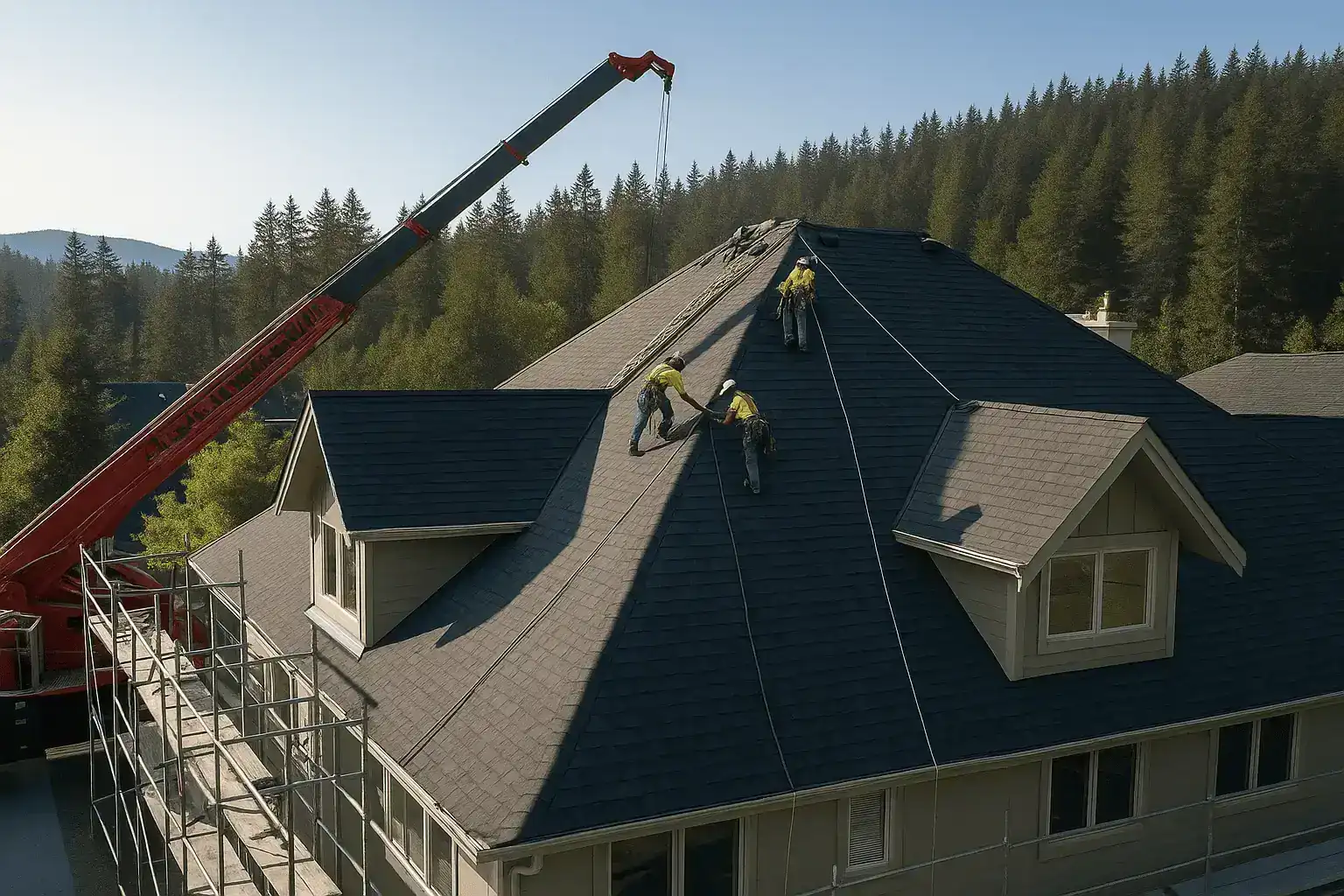
You just landed it. A high-ticket, steep slope residential roof replacement in that upscale neighborhood you’ve been targeting for months. The profit margin is fantastic, the client is ready to go, and it’s the exact kind of job that builds a premium brand. There’s just one problem: you check the crew schedule, and your only foreman certified and experienced enough for that 12/12 pitch is booked solid on a commercial low-slope project for the next three weeks. The B-team isn’t an option for a job this technical and high-stakes.
Suddenly, that profitable win feels like a logistical nightmare. You have to push the start date, risking an impatient client walking away. Meanwhile, your low-slope crews are busy, but on lower-margin work. This isn’t a simple scheduling hiccup; it’s a fundamental constraint on your company’s growth, profitability, and reputation. In other words, steep slope jobs are stranded, and they’re stranding your profits with them.
This scenario, known as the “profitability paradox,” is playing out in roofing companies across the country. You have the demand for high-value work but lack the specialized labor to meet it. In this guide, we won’t just rehash generic labor stats. We’ll diagnose the root causes and provide a strategic playbook that blends smart operational adjustments with powerful marketing tactics to turn your biggest staffing headache into your greatest competitive advantage, so fewer steep slope jobs are stranded on your board.
Defining the Problem: The Great Steep-Slope Skills Gap
The challenge isn’t just a general labor shortage; it’s a specific, high-value skills gap. The competencies required for a flawless low-slope commercial installation (working with TPO, EPDM, heat welding seams) are vastly different from those needed for a steep-slope residential project (navigating steep pitches, complex flashings, shingle or tile installation, and rigorous safety protocols).
Many roofing companies find it easier to staff and train for low-slope work. The projects are often longer, the physical demands can be less intense than on a steep pitch, and the training can feel more standardized. As a result, you end up with a team imbalanced in its skill set:
- •Abundant Low-Slope Expertise: You have reliable foremen and crews who can handle any flat or low-slope commercial job you throw at them.
- •Scarce Steep-Slope Specialists: You have one or two elite foremen, the ones you trust on complex, high-pitch jobs. They become bottlenecks, and your entire residential production schedule hinges on their availability.
This imbalance means your sales team might be selling high-margin steep-slope jobs that your operations team can’t deliver on time. The outcome: steep slope jobs are stranded while lower-margin work soaks up your calendar.
Root Causes: Why Are Steep-Slope Specialists So Hard to Find?
Understanding why this specific skills gap exists is the first step to solving it. It’s a combination of industry-wide trends and the inherent nature of the work itself.
- •An Aging Workforce & Lack of New Entrants: Seasoned experts with 20+ years in steep-slope are retiring, and fewer young workers are entering the trades to replace them.
- •Higher Physical Demands & Risk: Steep-slope roofing is more physically demanding and carries higher perceived risk. It’s a harder sell to new recruits versus other trades, or even low-slope roofing.
- •Insufficient In-House Training: Many companies lack a formal, documented process for upskilling low-slope roofers into steep-slope specialists. Without a clear path, promising workers remain stuck, and steep slope jobs are stranded longer.
- •The “Commercial Comfort Zone”: Low-slope projects are larger and longer, providing stability for crews. Pulling them off a multi-week job for a 3-day residential project, even if higher margin, feels disruptive, so steep-slope backlogs grow.
The Domino Effect: How the Skills Gap Impacts Your Entire Business
When a single personnel bottleneck can derail your most profitable projects, the consequences ripple through every department of your company. It’s a chain reaction that stalls growth and erodes your bottom line.
| Impact Area | Description of Consequences |
|---|---|
| Financial Impact | Lower Overall Profitability: You’re forced to take on more lower-margin low-slope jobs to keep crews busy, dragging down your company’s average profit per job. Lost Revenue: High-value steep-slope projects are delayed or lost to competitors who can start sooner. Increased Overtime Costs: You may have to pay overtime to your one qualified crew to try and catch up, destroying the job’s margin. |
| Operational Impact | Scheduling Chaos: Your project manager spends hours juggling the schedule, creating inefficiencies and frustration. Project Delays: Pushing back start dates leads to a backlog, stressing your entire system and delaying future jobs. Rushed Work & Quality Issues: When your key foreman is stretched thin, supervision suffers, increasing the risk of costly callbacks and mistakes. |
| Brand & Reputation | Negative Customer Reviews: Homeowners who are told their project is delayed for weeks become unhappy. This leads to poor reviews that deter future high-value clients. Weakened Employee Morale: Your best foreman feels overworked and burned out, while other ambitious crew members feel there’s no path for advancement. Damaged Referral Network: Unhappy clients don’t refer to their neighbors. Delays can also strain relationships with builders and realtors who rely on your timeliness. |
The Solution: A Two-Pronged Approach Blending Operations and Marketing
Part 1, Reinforce Your Operational Foundation
Before you market yourself as a great place to work, be one.
- •Develop a Career Ladder: Create a formal in-house program to upskill low-slope roofers: Laborer → Low-Slope Tech → Steep-Slope Apprentice → Steep-Slope Foreman. Define competencies (steep-pitch staging, complex flashing, code-specific ventilation, safety leadership) and pay bands. When people see the path, they pursue it, and steep slope jobs are stranded less often.
- •Invest in Elite Safety & Equipment: Make safety a selling point internally and externally. Premium harnesses, proper anchor points, vertical lifelines, walk boards, lift access, and specialized tools reduce risk, increase speed, and make steep work attractive to top talent.
- •Standardize Your Steep-Slope SOPs: Document step-by-step processes for tear-off, staging, underlayment on steep pitches, flashing sequences, valleys, ridges, ventilation, and end-of-day tie-downs. With clear SOPs, a newly promoted foreman can deliver consistent quality, and your most profitable work moves sooner.
- •Capacity-Based Scheduling Rules: Gate steep-slope sales against certified capacity. For example: don’t promise starts beyond “X” active steep crews + “Y” apprentices. Sales focuses on the mix that ops can deliver right now, so fewer steep slope jobs are stranded by overpromising.
Part 2, Deploy a Recruitment & Sales Marketing Engine
Turn your operational strengths into magnets for A-player talent and right-fit customers.
| Traditional Approach (Limited Results) | Strategic Marketing Approach (Sustainable Growth) |
|---|---|
| Post a generic “Roofer Wanted” ad on Indeed. | Build a dedicated “Careers” page on your website with videos of your team, details on your training program, and clear benefit outlines. |
| Hope for referrals from your current crew. | Run targeted social media ad campaigns showcasing your company culture, safety investments, and career growth opportunities. This is active recruitment. |
| Your sales team sells any job they can land. | Align sales targets with certified install capacity so high-margin steep-slope work is booked when crews can actually deliver it. |
| Your online presence is just for homeowners. | Leverage Roofing Contractor Content Marketing to write blog posts and create videos that highlight employee success stories and position your company as an industry leader and a premier employer. |
By aligning marketing with operational reality, you solve the problem from both ends, talent supply grows while sales targets match install capacity, and fewer steep slope jobs are stranded.
Case Example: Precision Roofing of Austin
Precision Roofing, a $5M company in Austin, TX, faced this exact bottleneck. They had a strong commercial division but only one foreman, David, who could handle complex, high-profit steep-slope jobs in West Lake Hills. Their schedule was constantly backlogged, and they were turning down premium work.
What They Implemented
- •Operational: “Precision Steep-Slope Academy,” a 6-month apprenticeship. Two promising low-slope roofers shadowed David with a milestone-based skills matrix and weekly evaluations.
- •Marketing: A “Work with the Best” campaign, videos of apprentices learning steep techniques, blogs on safety culture, and geo-targeted ads aimed at experienced roofers across Austin.
The Result
Within a year, both apprentices graduated to certified foremen. Precision could run three steep-slope crews simultaneously, tripling capacity for high-margin residential work. Recruitment marketing attracted a seasoned foreman from a competitor. With reduced backlog, customer reviews improved and lead flow rose 25%. Far fewer steep slope jobs are stranded, and profit per crew increased.
Stop Letting Your Schedule Dictate Your Growth
The steep-slope crew shortage is more than an inconvenience, it’s a cap on your company’s potential. Continuing with a single foreman bottleneck is a recipe for stagnant growth, declining margins, and reputational drag. To break out, treat your business as a talent developer as much as a roofing contractor.
Build robust internal training systems, standardize steep-slope SOPs, and pair them with a sophisticated recruitment-and-sales marketing engine. Align your pipeline with your true capacity, and the jobs you want to install won’t wait on your calendar. Do this consistently, and far fewer steep slope jobs are stranded, your profits won’t be either.
Ready to attract A-player crews and book the steep-slope work that grows your brand? Schedule a no-obligation strategy call with our roofing marketing experts today. Let’s build the training, recruiting, and marketing system that keeps your best work moving.
Book A CallFrequently Asked Questions
Modern marketing attracts audiences, including talent. The same funnels that win homeowners can be built for installers. A strong employer brand shortens hiring cycles and ensures fewer steep slope jobs are stranded by staffing gaps.
Do both, right-sized. Document your ladder and SOPs (low cost), then launch targeted recruitment ads that highlight your path and safety. Marketing amplifies the value of your training investment and fills your bench.
Competitive pay is table stakes. Top performers want safety, respect, advancement, and pride in their work. Show it publicly, careers content, employee spotlights, and safety transparency convert the right candidates.
Skilled roofers research employers online. If your site ranks for “steep slope roofing jobs [city]” and showcases training, benefits, and culture, you’ll win attention from the best installers, and fewer steep slope jobs are stranded for lack of crew.