Don’t Let Material Price Spikes Kill Your Roofing Profits: A Business Owner’s Guide
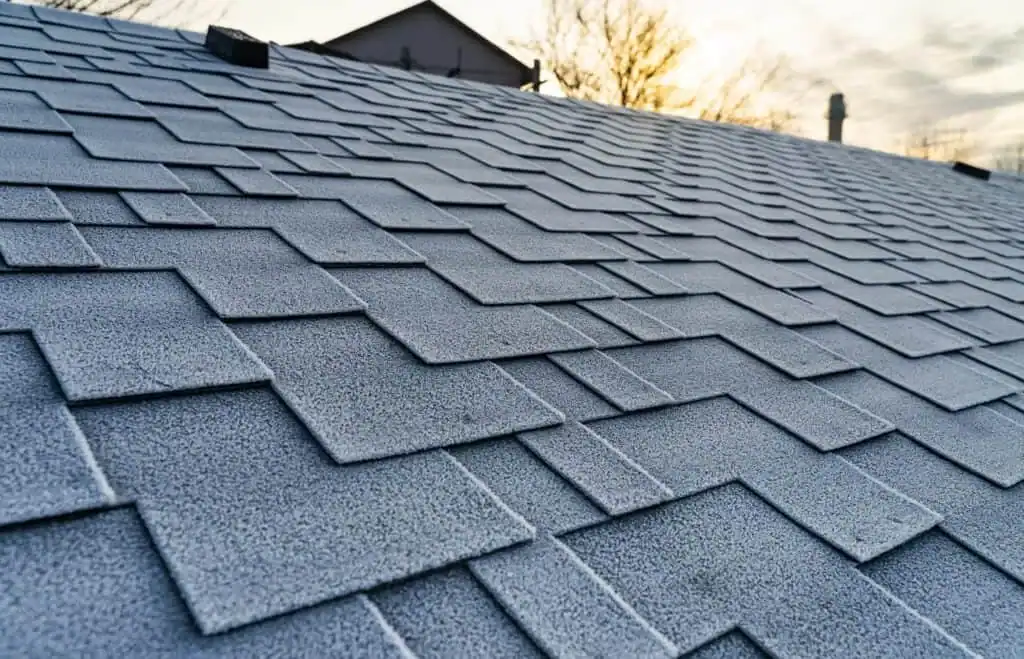
You’ve been there before. The sales team lands a great commercial TPO project, a big win for the quarter. The contract is signed, the deposit is in, and the project is on the schedule. Two weeks later, your supplier calls with bad news: TPO prices just jumped 12%, effective immediately. Now you’re faced with an impossible choice: absorb a five-figure cost that vaporizes your profit margin, or present a change order to a client who thinks you’re trying to pull a fast one. Suddenly, your big win feels like a ticking time bomb.
This isn’t a rare occurrence; it’s a harsh reality for roofing company owners across the United States. Material volatility is one of the biggest threats to your profitability and stability. But what if you could turn this recurring nightmare into a manageable business process? What if you could protect your margins without jeopardizing client relationships? It’s not about finding cheaper materials; it’s about implementing smarter operational and marketing strategies. This guide will break down exactly how to protect your roofing company from unpredictable price hikes, safeguard your profits, and build a brand that clients trust, even during difficult conversations.
Defining the Problem: The Profit-Crushing Impact of Material Escalation
The core issue is a painful disconnect between a fixed-price contract and a variable-cost reality. A roofing contractor provides a quote based on current material prices for asphalt shingles, TPO, metal, or underlayment. The client agrees, and a contract is signed. However, there’s often a lag of several weeks or even months between signing the contract and purchasing the materials. In today’s volatile market, that’s more than enough time for prices to skyrocket.
According to the Associated Builders and Contractors (ABC) analysis of U.S. Bureau of Labor Statistics data, construction input prices have become notoriously unpredictable. While some months see dips, others see sharp increases. For example, crude petroleum, a key component in asphalt shingles, can see double-digit price swings in a single quarter. When a supplier passes on a 10-15% increase for shingles or TPO on a $100,000 project, that’s a $10,000 to $15,000 unbudgeted expense. For a company operating on a 20% gross margin, that single price hike can wipe out 50-75% of the job’s expected profit. When the client inevitably refuses the change order, citing the signed contract, the roofing company is left holding the bag. This isn’t just about one bad job; it’s a systemic risk that threatens cash flow, strains client relationships, and makes financial forecasting nearly impossible.
Root Causes & Industry Context: Why Are Roofing Material Prices So Volatile?
Understanding why this happens is the first step to solving it. These price spikes aren’t arbitrary decisions from your local supplier; they are the result of powerful global and national economic forces. Roofing contractors are at the end of a long and complex supply chain, making them vulnerable to disruptions at any point.
The primary drivers include:
- •Raw Material Costs: The price of crude oil directly impacts asphalt shingles. Similarly, the cost of propylene and ethylene dictates TPO and EPDM pricing. Fluctuations in these global commodity markets are passed down the chain.
- •Supply Chain Disruptions: Events like the pandemic, international conflicts, and shipping bottlenecks create scarcity and increase freight costs. When a major chemical plant shuts down or a shipping lane is congested, the ripple effect hits your supplier’s warehouse within weeks.
- •Labor Shortages: Manufacturing plants and logistics companies face the same labor challenges as contractors. Fewer workers can lead to lower production output, creating a supply-demand imbalance that drives up prices.
- •Surging Demand: Following major storm events or during peak construction seasons, regional demand can outstrip supply, giving manufacturers and distributors leverage to increase prices.
Your company is caught in the middle of these macroeconomic trends, making a proactive strategy essential for survival.
The Ripple Effect: How Price Hikes Impact Your Entire Roofing Business
The consequences of absorbing unexpected material costs go far beyond a single project’s profit and loss statement. This issue creates a negative ripple effect that can destabilize your entire operation and stunt your company’s growth.
Direct Financial Damage
The most immediate impact is on your bottom line. A job you projected to have a 25% gross margin can quickly become a 10% or even 5% margin job. Do this a few times a year, and it can be the difference between a profitable year and breaking even, or worse. This also wreaks havoc on your cash flow. You have to pay your supplier the higher price now, but you won’t recoup that cash from the project’s final payment for weeks or months, straining your ability to cover payroll, marketing, and other overhead.
Strained Client Relationships and Reputation
Presenting a change order for a price increase is a delicate conversation. If handled poorly, it can destroy trust. The client may feel like they are being taken advantage of, leading to negative online reviews, withholding final payment, or even legal disputes. A reputation for “hidden fees” or changing prices mid-project can be devastating in a local market, where word-of-mouth is king. A tarnished reputation makes it harder and more expensive to acquire new customers.
Sales Team and Operational Drag
Your sales team’s job is to build excitement and trust. Sending them back to the client to ask for more money undermines their authority and kills their morale. It shifts their role from trusted advisor to apologetic negotiator. This also creates an operational bottleneck, as project managers and administrative staff spend valuable time renegotiating, re-invoicing, and managing a frustrated customer instead of focusing on production and growth-oriented activities.
The Solution: A Two-Pronged Approach of Ironclad Operations and Proactive Marketing
You can’t control the global supply chain, but you can control how your business prepares for and responds to its volatility. The most successful roofing companies tackle this problem from two angles: reinforcing their internal processes and building a brand that commands trust.
Operational Best Practices to Protect Your Margins
- •The Material Price Escalation Clause: This is your single most powerful tool. Your contract must include a clear, easy-to-understand clause that states if material costs increase by a certain percentage (e.g., more than 3-5%) between the contract date and the purchase date, the client agrees to a change order covering the difference. (Disclaimer: Always have an attorney review your contract language.) Your sales team must be trained to proactively and confidently explain this clause during the sales process as a standard procedure that protects both parties from market volatility.
- •Shorten the Timeline: The longer the gap between signing and ordering, the higher the risk. Streamline your processes to ensure that once a contract is signed and the deposit is collected, materials are selected and ordered as quickly as possible.
- •Strengthen Supplier Relationships: Work with suppliers who provide advance warnings of potential price increases. For larger projects, inquire about price locks or guarantees for a set period. Loyalty and volume can often earn you preferential treatment and valuable market intelligence.
Marketing Strategies That Build Trust and Justify Value
How you communicate with the market is just as important as what’s in your contract. A strong brand reputation makes difficult conversations significantly easier.
- •Educate Before You Sell: Use your website and social media to educate potential clients about the realities of the construction market. A blog post titled “Why Building Material Costs are Unpredictable in 2025” positions you as a transparent expert. When you later mention your escalation clause, the client is already pre-framed to understand the reasoning. This type of valuable content is the backbone of an effective Roofing Contractor Content Marketing strategy.
- •Build Unshakeable Authority: When customers see you as the top expert in your area, they are less likely to question your processes. Investing in professional Roofing Contractor SEO ensures you appear at the top of Google searches. A perfectly managed Google Business Profile filled with five-star reviews builds immediate social proof. This authority creates a foundation of trust that makes the escalation clause a minor formality, not a point of contention.
- •Show, Don’t Just Tell: Let your past customers do the talking. Feature video testimonials and written reviews that specifically praise your company’s professionalism, transparency, and communication. When a prospect sees that you have a track record of fairness, they are more willing to accept contract terms designed to manage unforeseen circumstances.
Case Example: How “Apex Roofing” Turned a Crisis into a Win
Apex Roofing, a commercial roofing contractor in Texas, was contracted for a 50,000-square-foot TPO re-roof. Their contract included a well-drafted escalation clause that triggered if material costs rose more than 4%. Three weeks after the contract was signed, their supplier announced an 11% surcharge on all TPO membrane and insulation board due to a chemical shortage.
Instead of panicking, their project manager immediately compiled the documentation from the supplier and scheduled a call with the client. Because the Apex salesperson had briefly explained the clause during the initial meeting, the client wasn’t completely surprised. The project manager calmly walked the client through the supplier letters, explaining it was an industry-wide issue, not an Apex-specific price hike.
Because Apex Roofing had invested heavily in Roofing Marketing Strategies that positioned them as a market leader, the client already viewed them as a professional and trustworthy partner. The client, while not happy about the extra cost, understood it was beyond Apex’s control and approved the change order. Apex protected their margin, and by handling the situation with transparency, they actually strengthened their relationship with the client, who later praised their professionalism in a review.
Stop Absorbing Losses and Start Building a Resilient Roofing Business
Material price volatility is not going away. Hoping for stable prices is not a strategy. As a roofing company owner, you have a choice: continue to let unpredictable market forces dictate your profitability, or take control by implementing robust operational contracts and strategic marketing.
An escalation clause protects your margins on paper. A powerful brand built through smart digital marketing ensures you can enforce it without friction. When clients trust you as the leading authority, difficult conversations become simple clarifications. You move from being a price-taker to a respected business partner.
If you’re tired of seeing your hard-earned profits vanish due to factors outside your control, it’s time to build a brand that provides leverage. Our team specializes in creating dominant digital presences for roofing contractors just like you. From Roofing Contractor SEO that puts you at the top of Google to content strategies that build unshakable trust, we help you solve your biggest business challenges. Schedule a strategy call with our roofing marketing experts today and let’s build a more profitable and predictable future for your business.
Book A CallFrequently Asked Questions
Frame it as a “price stability clause.” Explain that it’s a standard practice in the industry to protect both the client and the contractor from extreme market swings. Explain that it ensures you can afford to use the exact top-quality materials you quoted without cutting corners if prices unexpectedly surge.
Show them the numbers. Calculate how much profit the company lost last year by absorbing material increases. Frame the clause as a tool that protects their commissions. Role-play the conversation in sales meetings until they are comfortable presenting it confidently and simply.
If a client isn’t willing to agree to a fair clause that protects your business from losing money, they may not be the right client for you. It’s often better to lose a potentially problematic job than to win a job that is guaranteed to be unprofitable. A strong marketing pipeline, driven by effective SEO, gives you the confidence to walk away from bad deals.
Absolutely. Marketing is about building a brand that commands trust and authority. When a client has already seen your professional website, read your expert blog posts, and seen dozens of five-star reviews, they enter the sales conversation with a high degree of trust. They see you as a premium, professional operation and are far less likely to push back on standard business practices like an escalation clause. It changes the entire dynamic of the negotiation.